Slab Leaks in the 99th Avenue Area
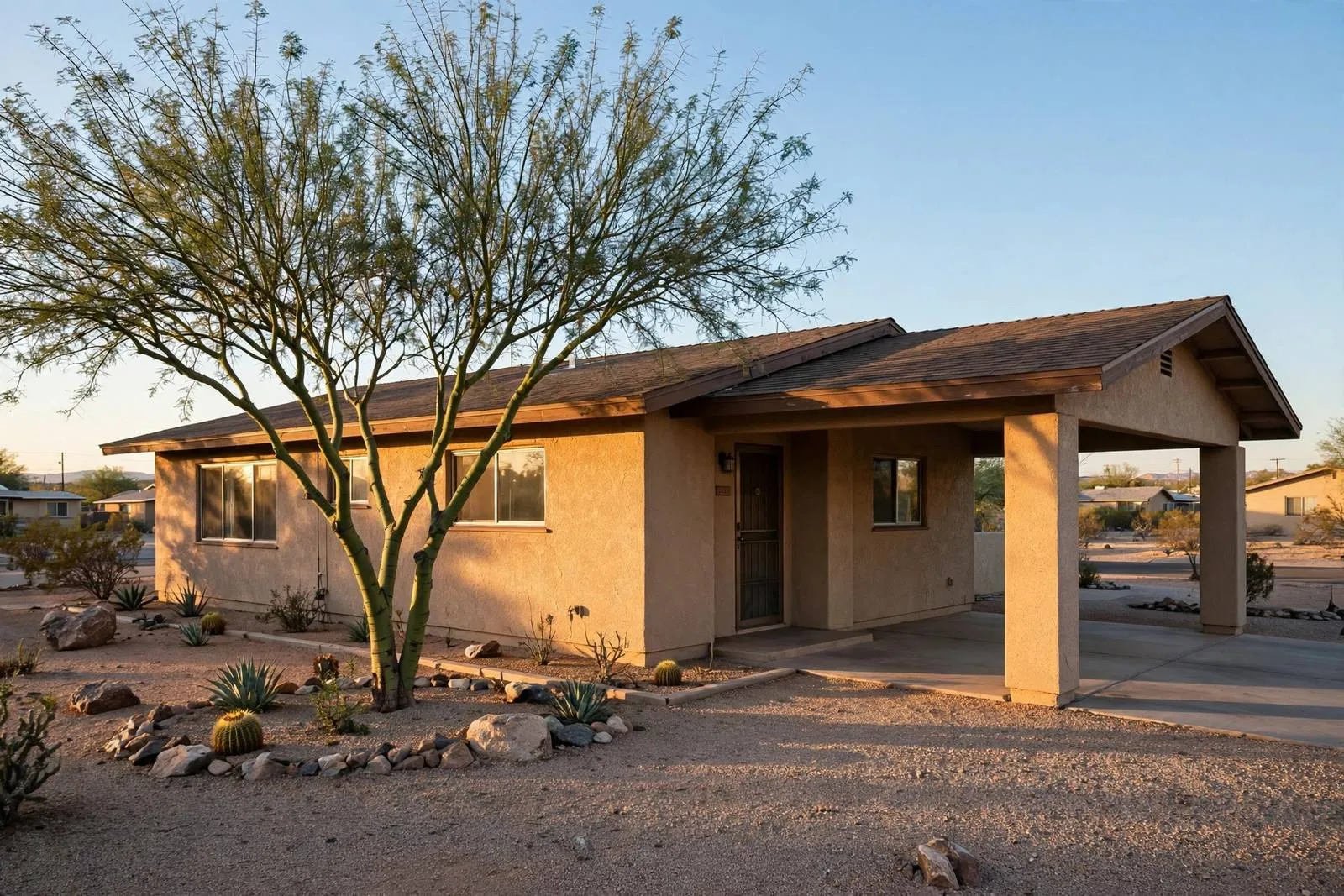
Tile that feels warm under bare feet is often the first sign that a home in the 99th Avenue area needs slab leak repair. A rising water bill or the faint rush of water behind a wall when the house is quiet tells the same story. These 1960s and early 1970s ranch homes sit on concrete slabs with copper supply lines buried beneath, and many have gained enclosed patios or room additions whose slab seams are frequent leak points. When you need slab leak repair pros to take a look, Sun City Slab Leak Detectors connects you with experienced local pros who know these eastern-side layouts, so call (602) 755-0632 and describe what you are seeing.
The Homes on the Eastern Side Near 99th Avenue
The eastern side near 99th Avenue holds single-story ranch homes from the community's early building years. Low rooflines, block walls, and simple rectangular plans define them, all on slab-on-grade foundations. Copper lines were buried under the slab when the homes were new, running from the street side to the heater and out to the kitchen and baths, and they have now spent over half a century underground.
What sets many of these homes apart is what owners added later. Enclosed patios, expanded living rooms, and converted porches are common, and each addition extended plumbing across the seam where the new slab meets the original. Those seams shift at a different rate than the old concrete, and crossing pipe takes the strain. That is why a slab leak repair visit so often starts at the joints under an addition.
Morning sun hits east-facing walls and slab edges early, starting the daily heat cycle ahead of the rest of the community. Planter beds and irrigation along foundations keep nearby soil cycling between wet and dry, swelling and settling around buried lines. Heat cycling plus moisture movement plus aging copper is the combination behind most leaks here.
What Usually Goes Wrong Near 99th Avenue
The hot water line is the usual suspect in these homes. It runs from the heater, often in the garage or a utility corner, across the slab to rear bathrooms, and expansion wears it where it bends or rubs concrete. Owners notice a warm stripe on tile first, or water running somewhere when the house is silent. Pinpointing the location comes before any slab leak repair work begins, because precision keeps the fix small.
Seams under room additions deserve special attention. Where a patio slab meets the original foundation, the two pours move independently, and copper crossing that joint can crack or pull loose at fittings. Cold lines leak here too, as damp baseboards, a musty smell, or a climbing bill. Irrigation can mask the signs since the soil outside is already wet, and telling a plumbing leak from sprinkler moisture is part of the diagnostic work.
What the Technician Checks First Near 99th Avenue

The visit opens at the water meter with every fixture shut off, revealing whether the system is losing water unseen. The technician checks the water heater, then walks the hot line's route across the slab, checking for warmth and listening for leaks. A slab leak plumber 99th Avenue Area callers reach asks about additions and remodels immediately, since an enclosed patio changes the pipe's path. That history shortens the search on a slab leak repair call before equipment comes out.
Listening then concentrates on the seams where addition slabs meet the original foundation, the likeliest failure points on this side. Pressure testing separates hot from cold, and moisture readings map how far water has traveled. The yard gets checked as well, because trouble in the front service line shows up the same way on the bill. During a slab leak repair visit, every conclusion follows evidence, not guesswork.
When a Full Repipe Makes Sense Near 99th Avenue
One leak can be fixed with a spot repair, and one bad section can be bypassed with a slab leak reroute overhead through the attic. But when leaks keep returning or the buried copper feels brittle along its length, a whole-home repipe is the steadier answer. Old under-slab lines are retired in place while the home gets a fresh system routed through walls and attic spaces, clear of shifting soil.
For homeowners facing a second or third leak, the call rests on the pipe's overall condition, not one break. The technician points out which sections still look sound and which do not, leaving the decision with the homeowner. Some homes do fine with a targeted fix; others end the cycle of return visits with a full repipe.
How a Call Works for 99th Avenue Homes
- You call (602) 755-0632 and tell us the symptoms: warm tile, phantom water sounds, a rising bill, or dampness near an addition.
- We put you in touch with an experienced local pro who knows eastern-side slab layouts and handles slab leak repair on these homes.
- The pro comes out, tracks the leak with acoustic and thermal equipment, and lays out the repair options in straightforward terms.
- You pick the plan, the repair moves ahead, and the aim is a lasting fix with the home left tidy.
Nearby Areas
The eastern edge borders several other parts of the community: Boswell Boulevard Area to the west, Grand Avenue Side to the south, and Bell Road Area to the north.
Area Questions
Tile that feels warm underfoot, water sounds in a quiet house, and a bill rising without habit changes are the first clues. Damp baseboards near an addition, a musty odor at floor level, and growing warm spots add to the picture. These signs are why slab leak repair calls start early, so do not wait for puddles.
An addition slab and the original foundation are separate pours that shift at different rates as soil moisture changes. Copper crossing that seam absorbs the movement until fittings crack or work loose. Additions also lengthen the plumbing run, adding joints underground. Any enclosed patio deserves a close listen along its seam.
Shut off every fixture and watch the meter: movement means water is escaping in the plumbing, not the yard. Irrigation leaks show as soggy spots or runoff outside, while slab leaks warm the floor or raise the bill with no outside sign. Pressure testing on the house lines confirms which one it is.
The technician starts at the meter with fixtures off, then follows the hot water line across the slab, listening for escaping water. Seams under additions get focused attention, since those joints fail most often here. Pressure tests and moisture readings complete the picture, and the visit ends with the leak located and options explained.
Not always. A small, precise slab opening handles many leaks, and a reroute skips the slab with a new overhead line. The technician picks the approach that fixes the leak with the least disruption to finished floors. You hear the full plan before any work starts.
A repipe replaces aging under-slab distribution with new lines through walls and attics, retiring buried pipe for good. Consider it when leaks keep returning or copper feels fragile along long runs. Many slab leak repair homeowners choose it after a second leak, trading repeat slab openings for one comprehensive fix.
It can be. Plumbing extended under an addition can leak where the new slab meets the old, and dampness stays trapped under flooring a long time. Condensation and irrigation overspray mimic the symptom, so the meter test is the simplest way to tell. A moving meter with everything off means the addition lines need checking.
We are a connector, not a plumbing crew. Sun City Slab Leak Detectors connects you with experienced local pros, and independent local plumbing professionals do the work. One call to (602) 755-0632 gets you talking with someone who diagnoses slab leaks on this side of the community for a living.
Call When the Signs Show Up
Warm tile, a rising bill, or water sounds in a quiet house all point to the same step: a call to (602) 755-0632. Finding the leak early keeps the fix focused and the home intact. Homes nearer the boulevard are covered on our Boswell Boulevard Area page, and Grand Avenue Side covers the original section south of Grand Avenue. For the wider community, start with our main Sun City page.
Noticed one of the warning signs? Call (602) 755-0632 and get answers.
Calls answered 24/7