Signs of a Slab Leak in Sun City
These clues most often point to water escaping under the concrete. Read the clues, then call to connect with a local pro.
- Warm floors, climbing bills, and odd sounds are the classic signs to check first.
- Feel floors and walls for warmth, dampness, or buckling.
- Rule out simple causes, then call a pro to pinpoint the leak.
The early signs most owners notice are usually a warm spot on the floor, a climbing water bill, and the faint sound of running water with every tap off. A meter that keeps moving with everything shut off confirms water is leaving the system somewhere. Any one of these clues is worth a professional look, because leaks under a concrete slab stay hidden until the damage spreads.
This page walks through every common sign, from meter and bill clues to floor, wall, and outdoor changes, plus lookalikes that turn out not to be slab leaks. Work through the checks in order, note what you find, and call (602) 755-0632 when the evidence points underground.
Meter, Bill, and Sound Clues Homes Show First
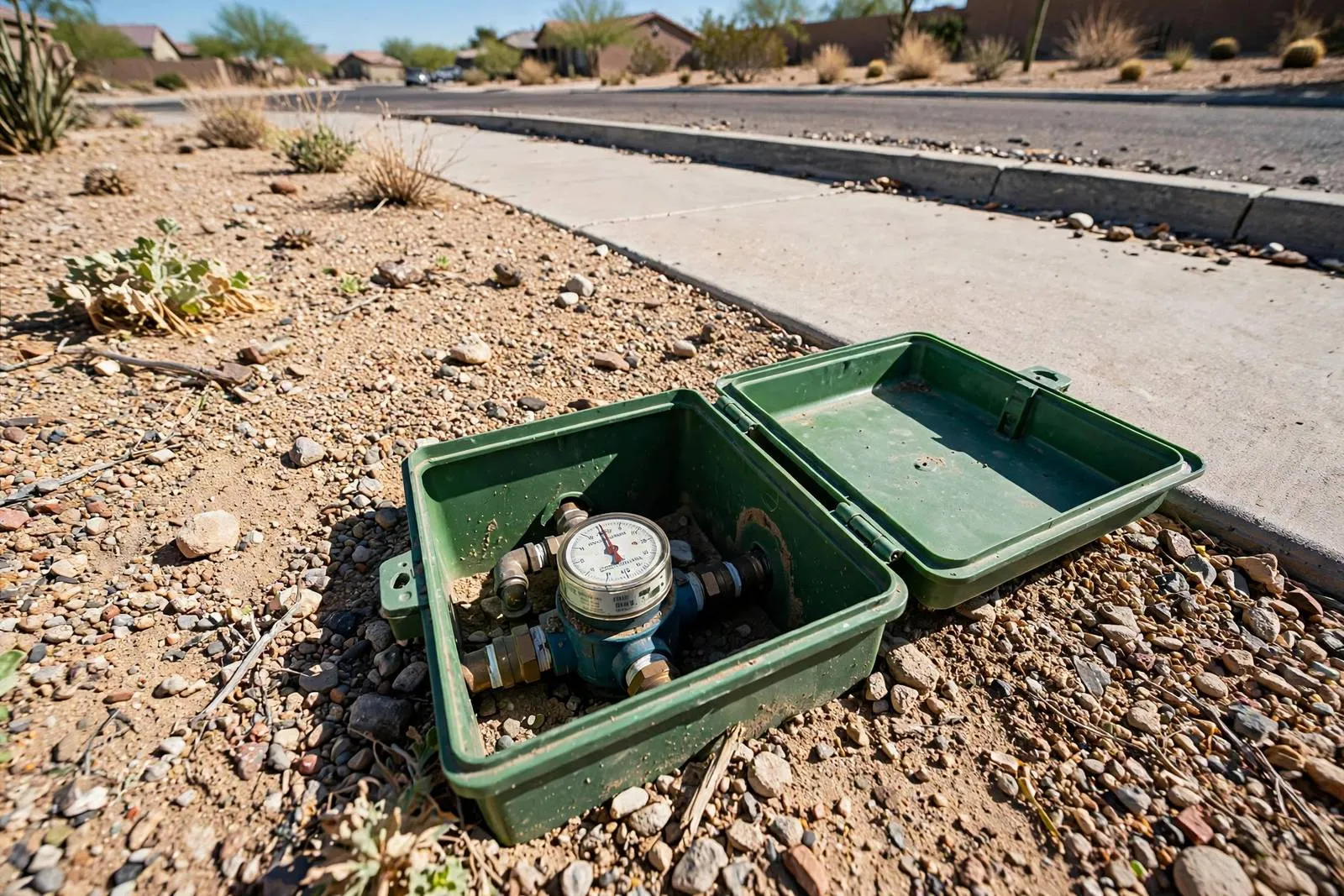
The water meter is the most honest witness in the house. Turn off every tap and appliance, then watch the meter's dial or readout for movement. If it creeps forward with nothing running, water is escaping somewhere, and that movement is one of the earliest clues to look for.
The monthly bill tells the same story in slower motion. A high water bill leak pattern shows as a steady climb across billing periods with no change in household habits. Compare recent bills and look for usage that rose while your routine stayed the same.
Sound gives the third clue, and it works best in a quiet house. Late at night, put your ear to the floor near bathrooms or the kitchen and listen for hissing or rushing water. When you hear water running under floor coverings with every fixture off, pressurized water is moving where it should not be.
Floor Clues Underfoot
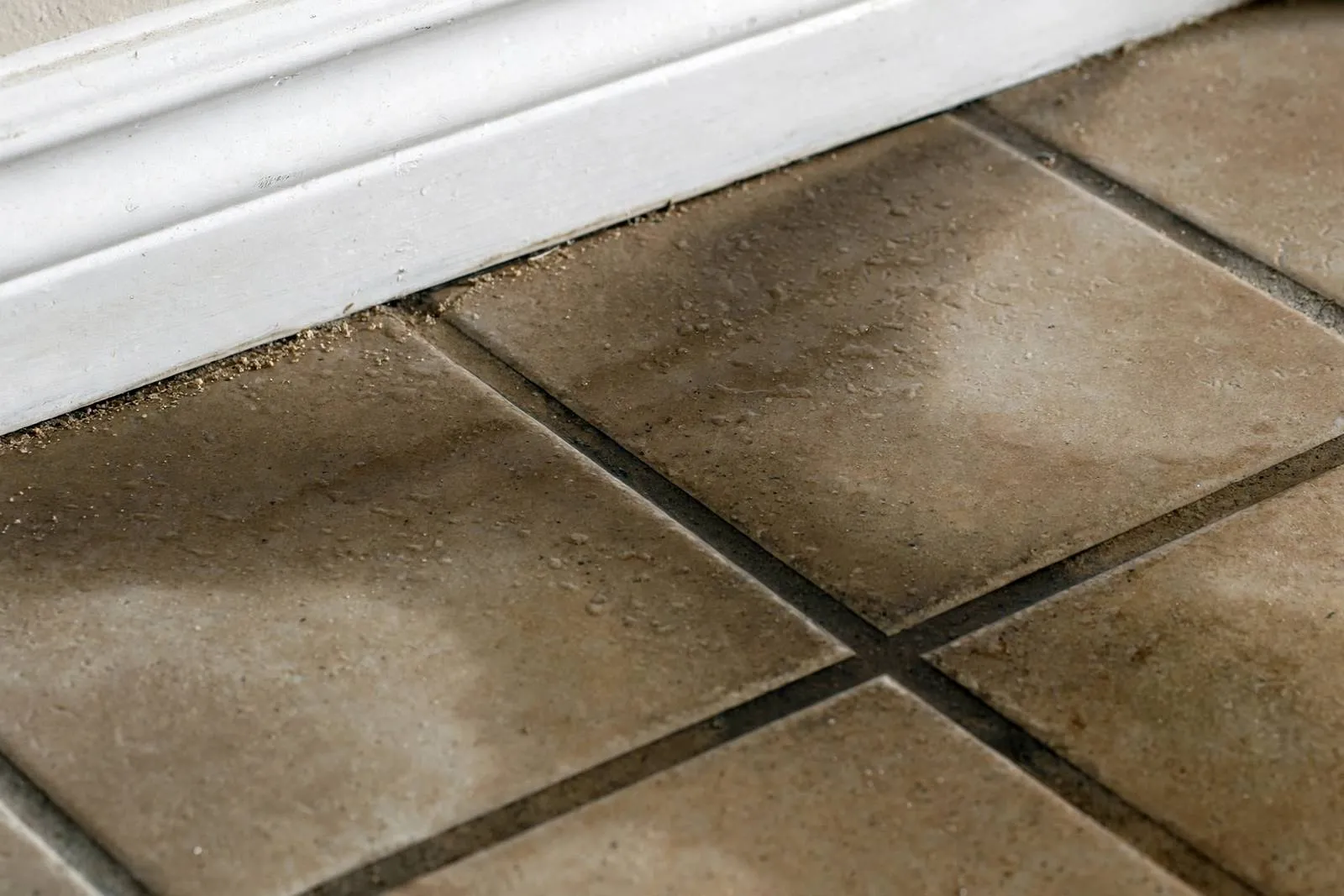
Symptoms often show first where your feet meet the floor. A warm patch on tile with no heat vent nearby suggests a hot-side leak warming the concrete from below. Damp carpet in one stubborn spot, buckling boards, or grout that darkens in one area all point to moisture pushing up through the slab.
Cracks can join the picture too. A slab leak can crack tile or flooring when water softens the ground beneath the slab or swells the materials above. One cracked tile means little alone, but cracks near a warm or damp area are worth having tested. These floor changes rank among the visible symptoms techs see most.
Wall and Baseboard Clues That Point Downward

Moisture from a leak under the slab does not stay under the floor. It wicks into drywall and baseboards, showing as bubbling paint, loosening wallpaper, or boards that swell and pull from the wall. A musty smell near the floor in a room with no plumbing accident history tells the same story.
Check the walls closest to bathrooms, kitchens, and laundry rooms first. Note which walls are affected and whether the damage sits low, near the floor line. That detail helps the visiting pro aim the listening equipment at the right stretch of pipe when the signs you describe need confirming.
Outdoor Clues Near the Foundation
Some leaks announce themselves outside the house. Look for soil that stays soggy near the foundation after watering, or grass that grows faster and greener than the rest of the yard. Water surfacing at the slab edge or pooling against the stem wall means pressurized water has found a path out, and that is an outdoor sign to take seriously.
In Sun City, many owners are away for the summer, so outdoor clues sometimes get spotted by a neighbor or a yard service first. If someone reports a wet spot by your foundation while you are gone, take it seriously and arrange a professional check. A quick look now beats a long-running leak later, and wet soil is worth checking with a meter test.
When It Is Not a Slab Leak: Honest Lookalikes
Not every water clue leads under the slab; an honest pro rules out the simple causes first. A toilet with a worn flapper can run quietly and lift the bill without any pipe damage. Irrigation valves that stick open soak soil near the foundation and mimic a surfacing leak.
Two more lookalikes hide in plain sight. Air conditioners produce condensate that drips near the foundation on hot days, which is normal, not a leak. Water heaters release water through a relief line when pressure or temperature climbs, so a wet spot below that pipe needs a different fix. If your clues match one of these, say so on the call and the pro will confirm it before talking about slab work.
What to Do Next When You Spot the Signs
Start with the meter test: shut off every tap and appliance, then watch for meter movement. Photograph warm, damp, or damaged areas and note when each clue appeared. If water is surfacing, close the main shut-off to stop the flow.
Then call for professional slab leak detection, which uses acoustic and thermal tools to pinpoint the leak before any concrete is opened. Sun City Slab Leak Detectors connects you with experienced local pros, and the call takes a few minutes.
Why Sun City Homes Show These Signs
Sun City was built from 1960 into the late 1970s as a planned retirement community, and almost every home sits on a concrete slab with copper lines running beneath it. In the original southern neighborhoods, that plumbing is the oldest and has endured the most pressure cycles. The northern neighborhoods hold mid to late 1970s construction, where the lines are younger but still decades into service, and that long service life is why the signs often start with the bill or the floor.
When a home sits empty for weeks, small leaks can run before anyone notices the damp spot or the bill. Floor plans with long pipe runs from a garage water heater to distant baths give leaks more slab to hide under. If your home sits near the central corridor, the notes on Boswell Boulevard Area describe the original-era layouts techs see most. For the northern neighborhoods, Bell Road Area covers what mid-1970s homes usually need.
While You Wait for the Visit
After you call, these steps keep things under control until the visit:
- Run the meter test with every tap and appliance off.
- Photograph warm, damp, or damaged areas and note when each appeared.
- Close the main shut-off if water is surfacing anywhere.
- Clear access to the water meter, the water heater, and the affected rooms.
- Note recent bill amounts so you can describe the climb.
Common Questions
The earliest signs owners report are a warm spot on the floor, a water bill that climbs without explanation, and the sound of running water with every tap off. A meter that moves with everything shut off confirms water is escaping. Any one of these is worth a professional check.
Yes, it can. Water escaping under the slab can soften the soil beneath it or swell the materials above, and that movement can crack nearby tile or flooring. A single cracked tile proves nothing on its own. Cracks paired with warmth or dampness deserve a closer look.
A hidden leak keeps the meter turning, so usage climbs even when your routine stays the same. Compare several bills and check whether the rise is steady rather than a one-month spike. A toilet flapper or irrigation valve can do the same thing, so rule those out before assuming the worst.
It can, because a worn flapper lets water run quietly and lifts the bill just like an under-slab leak would. Put food coloring in the tank and wait: color in the bowl without a flush means the flapper is the culprit. That simple test saves many owners a needless worry.
With every fixture off, running water means pressurized water is moving somewhere it should not. It could be a slab leak, a running toilet, or a stuck irrigation valve. Check the toilets and irrigation first, then call a pro to track down the source.
Persistent moisture from a leak can feed mold growth on damp materials over time. The right response is to find and fix the moisture source, then address the affected materials. A pro can confirm whether a slab leak is the source of the dampness.
Do not wait and hope the clues fade, because an under-slab leak keeps running whether you watch it or not. Work through the checks on this page, write down what you find, and call promptly. Early confirmation keeps the repair area small.
Spot the Signs Early
Catching the signs early keeps a small problem from growing. Sun City Slab Leak Detectors connects you with experienced local pros who confirm the source and explain the fix in plain language. Call (602) 755-0632 now and describe the clues you have found.
Call 24/7 to describe what you are seeing
Calls answered 24/7