Hot Water Slab Leak in Sun City
A hot water slab leak usually starts with a warm tile underfoot. We connect you with experienced local pros who find and fix hot-side leaks, day or night.
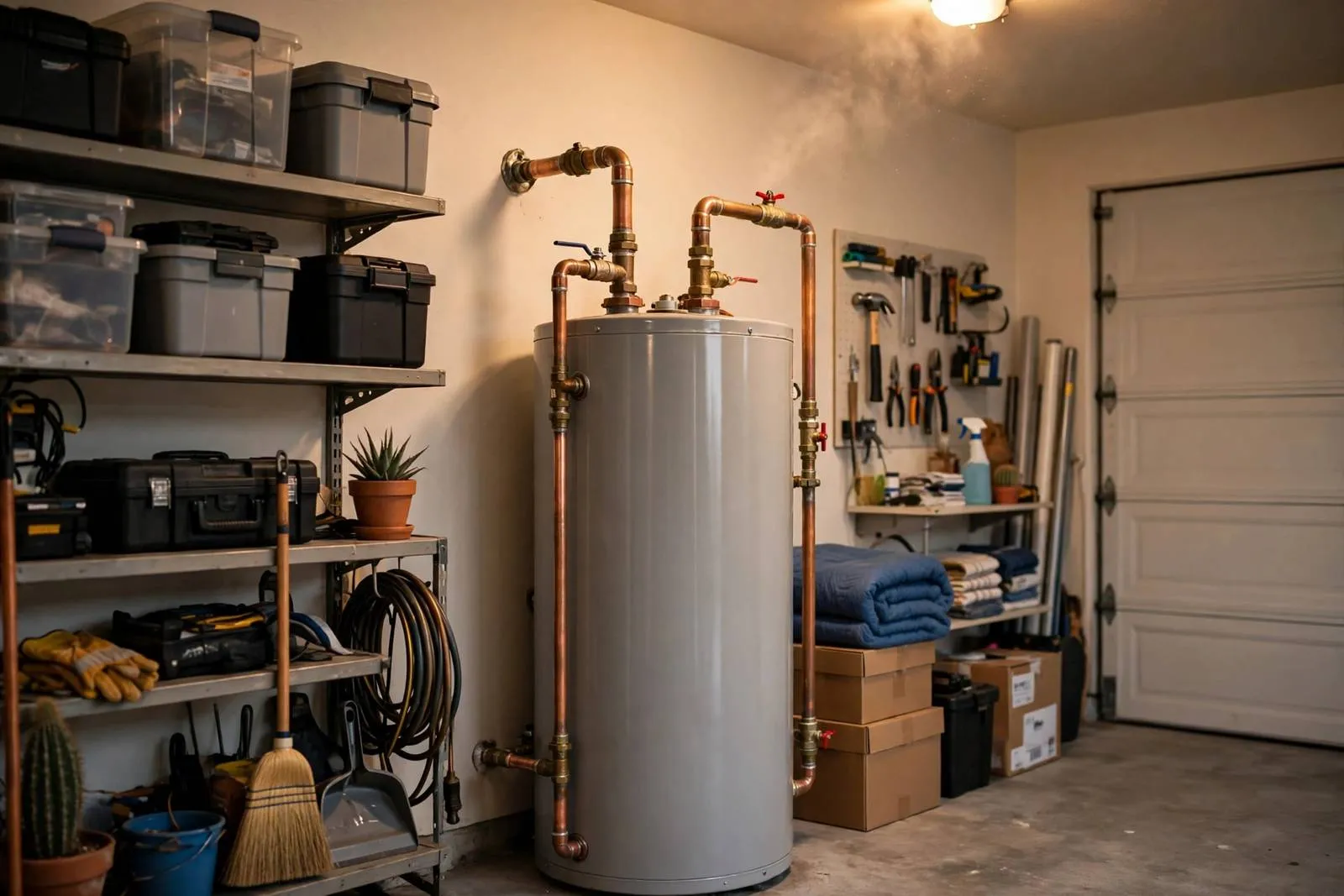
- A warm floor, a restless water heater, and a climbing bill point to a hot-side slab leak confirm with testing.
- Acoustic listening and thermal imaging pinpoint the break under the slab.
- A local pro explains spot repair, reroute, and repipe options by phone.
A hot-side slab leak often announces itself through comfort: one patch of tile feels warm underfoot while the rest stays cool. That warmth means hot water is escaping a copper line in the concrete slab, heating the floor from below. Because the break sits under the slab, you will see no puddle and hear no drip, so the warm spot becomes your most honest clue.
Hot-side leaks waste heated water around the clock, which forces the water heater to reheat the supply repeatedly. Many Sun City homes were built between 1960 and the late 1970s with copper lines now roughly 50 to 65 years old, and those hot lines fail more often than cold ones. Sun City Slab Leak Detectors connects you with experienced local pros who confirm the leak, find its exact spot, and lay out repair options before any work begins; call (602) 755-0632 any time.
Why Hot Water Lines Leak More Often
Hot water lines live a harder life than cold lines. Every time hot water flows the copper expands, and as it cools it contracts, so decades of daily cycles flex the pipe and stress its joints. Minerals in hot water and constant system pressure add to the wear, so the hot side usually fails first.
Under a concrete slab there is no easy access, so a weakening joint keeps working until it lets go. In Sun City, where homes went up between 1960 and the late 1970s, the original copper has already served roughly 50 to 65 years. That long service is why a hot-side slab leak are called about so often turns out to be on the hot side.
A Warm Spot on Floor Tile: The Classic Sign of a Hot-Side Leak

The most telling sign of a hot water leak under slab concrete is a warm patch of floor with no heat vent nearby, so walk barefoot across tile in the morning and feel for one area that stays warm while the rest feels cool. A warm spot on floor surfaces near a bathroom, kitchen, or laundry wall deserves attention.
Pets often find the spot before people do: if your pet has claimed a new favorite resting place on the floor, feel that area yourself. That combination is the classic hot-side slab leak, which pros confirm with thermal and acoustic tools. Warm floors rank among the clearest signs of a slab leak, so mention the exact location when you call.
Water Heater Always Running Because of a Hot Water Leak Under the Slab
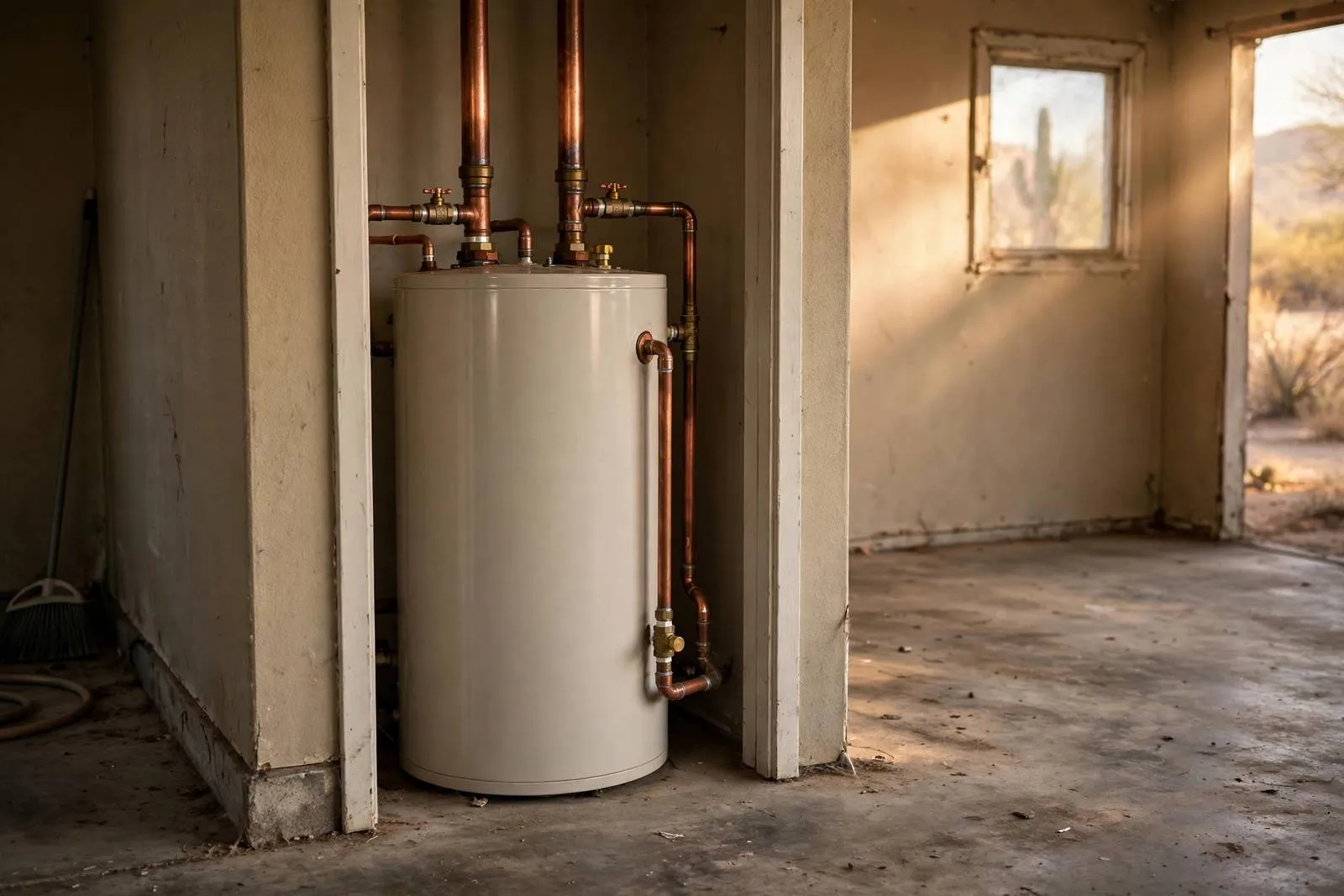
A hot water leak under slab concrete never takes a break, and neither does your water heater. Heated water escapes, cold water refills the tank, and the heater fires again to rewarm it. When you notice the water heater always running with no extra showers or laundry to explain it, a hidden hot-side leak is a strong suspect.
You might hear the burner cycling late at night, or find the tank warm hours after the last hot water use. Some owners catch the clue on the bill first, since the heater keeps reheating water that pours into the ground. If the heater seems to run around the clock, a hot-side leak testing can confirm may be the cause, so call to talk it through.
Safe Temporary Steps While You Wait for a Slab Leak Pro
A few safe steps can slow the damage while your visit is arranged. None need tools, and none involve gas or electrical parts, so keep it simple.
Once the flow slows and the area is documented, clear a path to the water heater, the meter, and the warm area. Note when the warmth appeared and whether the heater cycled.
- Run the meter test: turn off every tap and appliance, then watch the meter. Movement means water is still leaving the system.
- For a suspected hot-side leak, close the cold-water supply valve at the water heater. Do not touch gas valves, pilot controls, or breakers.
- If water is surfacing through flooring or seeping at the slab edge, close the main shut-off valve.
- Photograph warm or damp areas and floor changes for your records.
- Do not break up tile or concrete yourself; pinpointing the break takes special equipment.
Repair Options: Spot Repair, Reroute, or Repipe
Once testing confirms the location, the pro lays out the practical fixes for a hot-side slab leak develop. A spot repair opens the slab at the break and fixes that section of pipe, which suits a single failure in an otherwise sound line. A reroute abandons the under-slab line and runs a new hot water line overhead or through walls, so no concrete is broken. A whole-home repipe replaces aging lines throughout the house for owners tired of repeat leaks.
The right choice depends on the pipe's condition, the leak's location, and how often the system has failed before. Ask the pro to explain the trade-offs in plain language before any work starts.
Sun City Homes and Hot Water Slab Leaks
Sun City grew as a planned retirement community from 1960 into the late 1970s, and nearly every home sits on a concrete slab with copper lines beneath it. In the original southern part of the community, those lines are the oldest and have seen the most hot-water cycles. In the northern neighborhoods, mid to late 1970s construction still means decades of expansion and contraction.
When a Sun City home sits empty for weeks, a hot-side leak can run unnoticed before anyone feels the warm floor. Floor plans often place the water heater in the garage with long hot runs to distant baths, which gives a break more slab to hide under, and those long runs are a common path for a hot-side slab leak. For the northern neighborhoods, the notes on Union Hills Area describe what techs check first in later-1970s layouts, while Grand Avenue Side covers the oldest slab plumbing in the original blocks south of Grand Avenue.
While You Wait for the Visit
If you suspect a hot-side slab leak can pinpoint, do these safe things after you call:
- Turn off all taps and appliances, then check the meter for movement.
- If the leak is hot-side, close the cold supply valve at the water heater; leave gas and electrical controls alone.
- Photograph the warm or damp area for your records.
- Clear a path to the water heater, the shut-off, and the warm spot.
- Note when the warmth appeared and whether the heater has been cycling.
Common Questions
A warm patch with no heat vent nearby usually means hot water is escaping a pipe under the slab, warming the concrete from below. The slab carries that heat straight up through tile. Feel the area in the morning when the house is cool, note its location, and call a pro to confirm a suspected hot-side slab leak pinpoint.
A hot-side leak drains heated water continuously, so cold water keeps refilling the tank and the heater keeps firing to rewarm it. With no extra showers or laundry to explain it, a hidden hot-side slab leak is a likely cause. A pro can test the system and confirm whether the hot side is losing water.
It wastes water and energy around the clock, and the escaping water can damage flooring and the slab area over time. It is a plumbing problem to take seriously, not a reason to panic. Call a pro to find the leak and lay out repair options.
Slow a hot-side leak by closing the cold-water supply valve at the water heater, which stops fresh water from feeding the break. Leave gas valves, pilot lights, and breakers untouched. If water is surfacing anywhere, close the main shut-off instead and call for guidance.
Pros use acoustic listening gear to hear pressurized water escaping and thermal imaging to see the heat pattern in the slab. A pressure test on the hot side can confirm which line is losing water. Together these methods narrow the leak to a small area before any floor is opened.
Yes, rerouting is a common fix for a hot-side slab leak develop: the leaking line is abandoned in place and a new hot water line runs overhead or through walls. That approach avoids breaking concrete entirely. Ask the visiting pro whether your layout suits a reroute.
A hot-side leak forces the water heater to reheat the supply continuously, so energy use climbs as long as the leak runs. Many owners notice the jump before connecting it to plumbing. Finding and fixing the leak stops the waste at its source.
Sooner beats later, since the leak wastes water and energy every hour and can damage flooring. There is no reason to wait and hope it seals itself. Call promptly, slow the flow with the steps above, and let a pro confirm the location.
Warm Floor? Get Help Today
A warm floor and a restless water heater are your home's way of asking for attention, and a hot-side slab leak is a solvable problem. Sun City Slab Leak Detectors connects you with experienced local pros who pinpoint the break and explain options in plain language. Call (602) 755-0632 now and describe what you feel underfoot.
Calls answered 24/7