Slab Leaks on the Grand Avenue Side
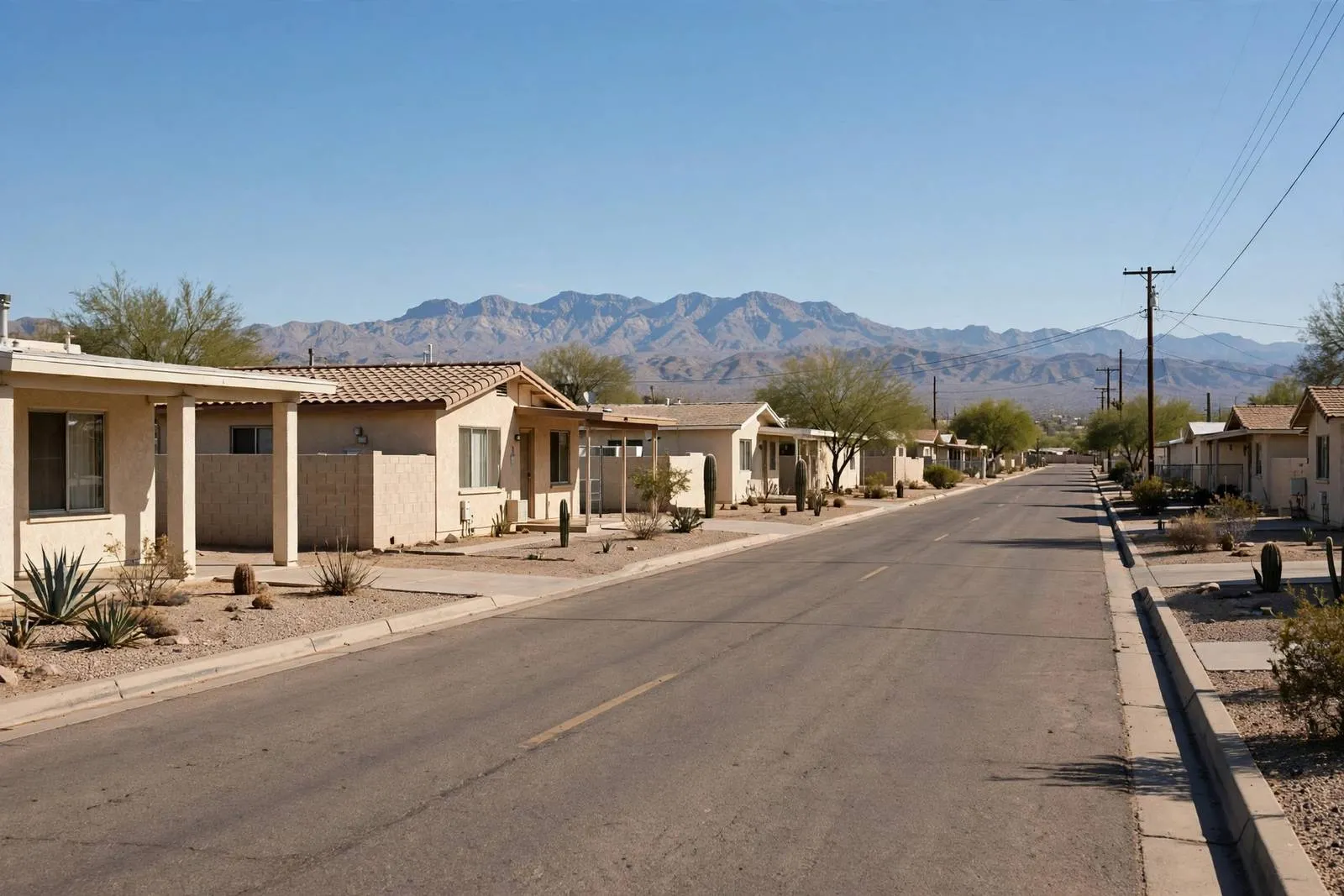
On the Grand Avenue side of Sun City, slab leaks tend to whisper before they shout, and good slab leak repair starts with catching them early. A hallway that feels warm underfoot, a water heater that runs more than it should, or a bill creeping upward month after month are the usual first hints. The 1960s ranch homes here sit on concrete slabs with copper lines buried below, and arterial vibration plus full southern sun give those lines a hard life. If you need slab leak repair pros to investigate, Sun City Slab Leak Detectors connects you with experienced local pros, so call (602) 755-0632 and tell us what you are noticing.
The Homes South of Grand Avenue
The original section south of Grand Avenue holds 1960s-era ranch homes, among the earliest built in this unincorporated community. Single-story plans, block walls, and slab-on-grade foundations define them, with water heaters typically tucked into the garage. Copper supply lines run beneath the slab from the street side to the kitchen and baths, underground since the homes were new.
Here the water service often enters from the south, crossing the yard on the Grand Avenue side before reaching the slab. South-facing walls and slab edges absorb the full afternoon sun, and that daily heat soaks into the concrete and the pipe inside it. Master baths frequently sit on the south side too, keeping the hot run warm long after use, which is why slab leak repair calls so often involve the hot line.
Grand Avenue carries the heaviest traffic bordering the community, and the nearest homes feel steady vibration through the ground. Over the years that tremor works on older joints and fittings, especially where pipe meets concrete. Dust and monsoon runoff along Grand Avenue also swing soil moisture around the foundation.
What Usually Goes Wrong Here
The hot line causes most trouble on this edge. It leaves the garage heater, crosses under south-facing rooms already warm from afternoon sun, and the extra heat accelerates wear on copper. Owners can miss a leak's warmth for weeks because the whole side of the house runs warm in summer. A repair visit often starts with exactly this kind of hot water slab leak, worn thin where the line bends under the slab.
Arterial vibration adds a second strain, loosening older fittings and stressing pipe where it passes through concrete. Cold-side leaks look different: a climbing bill, damp baseboards, or a musty smell with no warm floor. Either way, escaping water can stain walls from the bottom up and lift tile if it runs long enough.
What the Technician Checks First South of Grand Avenue

The visit starts at the water meter with every fixture off, showing whether the system is losing water. The technician then notes how often the water heater fires, since a heater running with no demand points at the hot side. A slab leak plumber Grand Avenue Side callers reach walks the hot line's route along the south wall next, feeling for heat and listening for escaping water. That garage-to-south-bath path is the highest-odds ground here.
Listening continues along baseboards and in the sunniest rooms, where a leak's warmth hides inside normal heat. A hot-cold pressure comparison isolates the failing line, while moisture readings map the water's spread under the floor. The south yard service run gets checked too, since a leak out there can move the meter just like a slab leak. During a an appointment, each conclusion follows something measured, not guessed.
Finding a Hot-Side Leak Along Grand Avenue
A hot water slab leak announces itself through heat: warm stripes on tile, a heater cycling with no demand, sometimes lukewarm water from a nearby cold tap. Detection pairs thermal patterns with acoustic listening to trace the warm line to its break. Once confirmed, the fix may be a spot repair, a slab leak reroute overhead through the attic, or, for repeat offenders, a whole-home repipe that retires the buried pipe for good.
For homeowners, the choice rests on the remaining pipe's condition, not just the single break. The technician identifies which stretches still look sound and which do not, and the homeowner makes the call. One clean fix suits an isolated leak; a reroute or repipe suits pipe that has already caused trouble more than once.
How a Call Works on the Grand Avenue Side
- It starts with your description: call (602) 755-0632 and mention the warm floors, the hardworking heater, the rising bill, or the damp baseboards.
- Sun City Slab Leak Detectors connects you with an experienced local pro who knows the southern-edge layouts.
- The pro comes by, zeroes in on the leak using acoustic and thermal equipment, and explains the repair paths in clear terms.
- You give the go-ahead, the repair is completed, and the goal is a resolved leak with the home left in good order.
Nearby Areas
North of the Grand Avenue edge, the build years change. Compare Boswell Boulevard Area, 99th Avenue Area and the 1970s homes covered under Bell Road Area.
Area Questions
Floors warm in south-facing rooms, a heater that fires with no hot water in use, and a bill climbing month after month are the first clues. Damp baseboards and a musty odor near the floor add to the list. That is why slab leak repair calls start with these signs, since under-slab leaks never seal themselves.
Heavy traffic sends steady vibration through the ground, strongest in the homes nearest the arterial. Over the years that tremor stresses older fittings and the points where copper meets concrete. Vibration rarely causes a leak alone, but it strains pipe already weakened by heat and age.
A hot water slab leak warms the floor above it, keeps the heater running with no demand, and can warm a nearby cold tap. A cold line leak shows no warmth, announcing itself through the bill, damp baseboards, or a musty smell instead. Heat helps trace a hot leak; pressure testing does more of the work on a cold one.
The technician checks the meter with fixtures off and notes the heater's firing pattern. Then comes a careful listen along the hot line's route, especially in south-facing rooms where heat masks leaks. Pressure tests and moisture readings finish the diagnosis, and the repair work starts only once the location is confirmed.
Often, yes. A reroute sends a replacement line through the attic or along walls, leaving the old buried line capped in place. Some leaks sit near enough to an edge for a small, targeted opening. The technician explains which path fits before any work begins.
A repipe fits when leaks return to the same home or buried copper looks fragile along long runs. It swaps the under-slab distribution for new lines through walls and attics, ending the cycle of floor openings. Homeowners weighing repair options often choose it after the second break.
It might be, especially if the warmth forms one stripe or patch instead of covering the room. Southern sun warms rooms evenly; a leak warms the floor directly above the failing line. Try the meter test with everything off, since a moving meter points to plumbing and deserves a call.
Sun City Slab Leak Detectors connects callers with experienced local pros; we do not send our own trucks. The repair itself is done by independent local plumbing professionals. Call (602) 755-0632, explain the signs, and we will connect you with a pro who knows this edge of the community.
Call Before It Spreads
A warm floor, a hardworking heater, or a climbing bill all point to one step: homeowners can start with a single call to (602) 755-0632. Catching the leak early keeps the repair small and the disruption low. For homes nearer the boulevard, our Boswell Boulevard Area page covers that side, and 99th Avenue Area covers the eastern side. Our Sun City slab leak overview covers the rest of the community.
Ready to track down the leak? Call (602) 755-0632 now.
Calls answered 24/7