Slab Leaks in the Boswell Boulevard Area
Slab leak calls near Boswell Boulevard usually start with a small clue: a warm patch on the tile that was not there last month, the faint sound of water running when every faucet is off, or a water bill that climbs for no clear reason. Homes on the original-era streets near Boswell Boulevard rest on concrete slabs poured from the 1960s into the early 1970s, with copper supply lines underneath expanding and contracting with desert heat ever since. That slow movement, plus mineral-heavy water and soil that shifts between wet and dry seasons, wears small openings into buried pipe. Sun City Slab Leak Detectors connects you with experienced local pros who know these homes, so call (602) 755-0632 and explain what you are seeing.
The Homes Near Boswell Boulevard and the Slabs Under Them
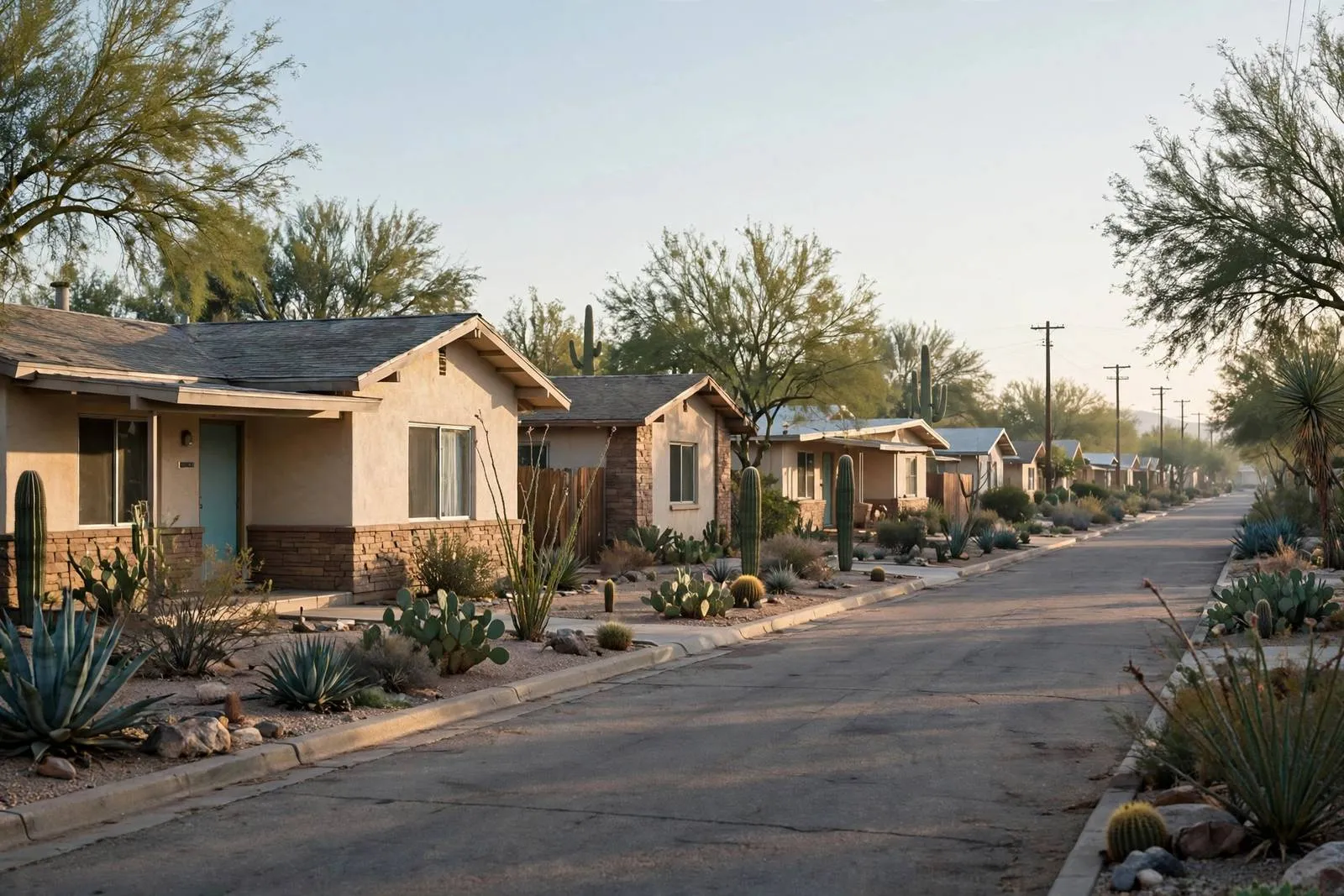
The streets around Boswell Boulevard hold some of the earliest homes in this unincorporated community, built as single-story ranch homes on slab-on-grade foundations. Concrete block walls, low-pitched roofs, and carports or attached garages set the pattern. Beneath each slab, copper supply lines run from the street side to the water heater and branch to the kitchen and baths.
On boulevard-adjacent lots, the water service usually enters from the front and crosses a long stretch of yard before reaching the slab. Wider frontages mean longer buried runs, putting more pipe in soil that warms and cools through the year. Water heaters often sit in the garage at the far end, so the hot line travels the length of the house under the floor, and that long run is where slab leak repair calls most often begin.
Steady traffic along the boulevard sends constant low-level vibration into nearby homes, and years of that tremor, paired with heat cycling on sun-struck slab edges, stresses buried copper at its weakest points. Boulevard-facing rooms also run warmer in summer, which can mask a developing hot spot on the tile. A technician who knows these original-era layouts listens in the right places first.
What Usually Goes Wrong Near Boswell Boulevard
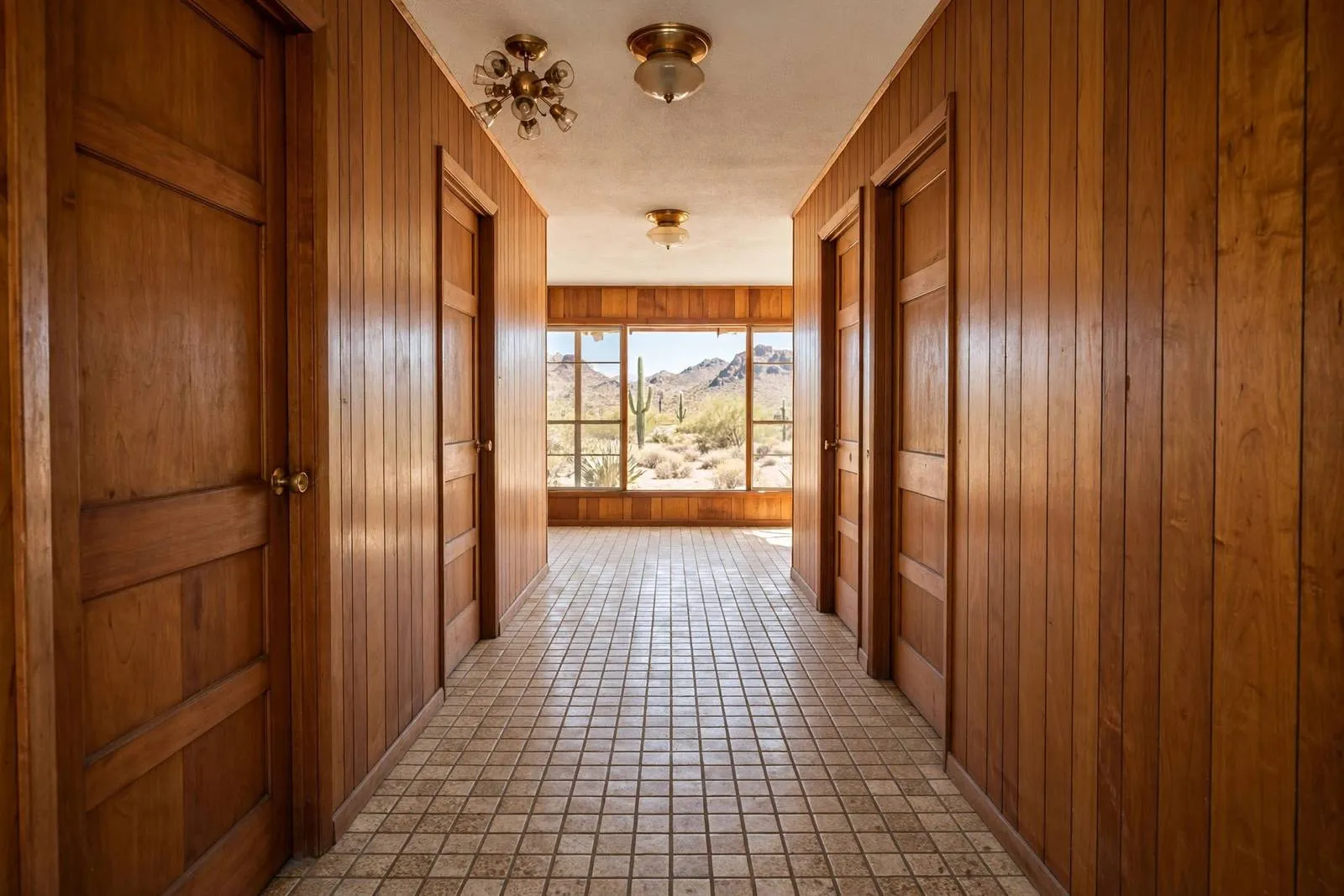
Hot water lines cause most of the trouble under these slabs. Heat accelerates wear on copper, so the line from the garage water heater to the bathrooms often develops the first opening. The sign is usually a warm patch on hallway tile, sometimes with water sounds when every fixture is off. That quiet stretch is when slab leak detection matters most, pinpointing the spot while the damage is still small.
Cold lines fail too, where shifting soil tugs at the pipe and copper rubs thin against rough concrete. A cold-side leak shows up as a rising bill, damp baseboards, a musty odor near the floor, or hollow-sounding tile. Opening the slab at exactly the right point is the standard a slab leak repair visit should meet, fixing the break without tearing up the whole room.
What the Technician Checks First on Original-Era Streets
The visit starts at the water meter and the water heater. With every fixture off, the meter shows whether water is escaping, and the heater indicates whether the hot side is the culprit. The technician then walks the hot line's path from the garage through the slab, feeling for warmth and listening for escaping water. A slab leak plumber Boswell Boulevard Area callers reach knows this layout by heart, which shortens the search.
Then comes a closer listen along walls and boulevard-facing rooms, where heat and vibration take their toll. Pressure checks separate hot from cold, and moisture readings show how far water has traveled. Hose bibs and the front-yard service run get a look too, since trouble out there moves the meter just the same. During a slab leak repair visit, this order keeps the work on the true source, not the symptoms.
Spot Fix or Full Reroute
Once the leak is pinpointed, two fixes cover most cases. A spot repair opens the slab at the leak, replaces the damaged section, and patches the floor. A slab leak reroute runs a new line overhead through the attic or along walls, and the old buried line is capped and left in place. For homes near Boswell Boulevard, reroutes suit lines that leaked before, pipe that feels fragile, or new flooring worth protecting.
The technician explains which option fits after seeing the line's condition, and the homeowner decides. Some homes need only one clean spot repair, while others with repeated trouble do better skipping the slab entirely. For slab leak repair homeowners weighing the two, the deciding factor is the age and condition of the remaining buried pipe.
How a Call Works for Boswell Boulevard Homes
- Call (602) 755-0632 and describe what you are noticing: warm floors, running-water sounds, a climbing bill, or damp spots near baseboards.
- Sun City Slab Leak Detectors connects you with an experienced local pro who works on original-era slab homes and handles slab leak repair on these streets.
- The pro visits, pinpoints the leak with listening and testing equipment, and walks you through the repair choices in plain terms.
- You approve the plan, the work gets done, and the goal is a fixed leak with the home left clean and intact.
Nearby Areas
Boswell Boulevard runs through the middle of the community, so most other areas are close by: 99th Avenue Area on the east side, Grand Avenue Side to the south, and Bell Road Area to the north.
Area Questions
Watch for a warm patch on tile, water sounds with every fixture off, and a bill that climbs without explanation. Damp baseboards, a musty odor near the floor, and hollow-sounding tile are later clues. These are the classic reasons slab leak repair calls begin, so do not wait for visible puddles.
Heat makes copper expand and contract more each cycle, wearing it where it touches concrete or turns tightly. The hot line also runs the longest route in these homes, from the garage heater to the farthest bath. More movement over more distance means the hot side usually opens first.
These are among the oldest homes in the community, so their buried lines have the most seasons behind them. Boulevard lots often have longer front-yard service runs, and steady road vibration adds stress. Sun on boulevard-facing slab edges adds daily heat cycling. None of this guarantees a leak, but it explains why detection calls are common here.
The technician checks the meter with fixtures off, then traces the hot water path from the heater through the slab, listening for escaping water. Pressure checks separate hot from cold, and moisture readings show the water's spread. The visit ends with the leak marked and options explained plainly.
Sometimes a small slab opening is the most direct fix, and pros keep it minimal. A reroute avoids the slab entirely with a new overhead line. Either way, the aim is a precise repair, not a torn-up home, and you hear the plan before work begins.
A spot repair opens the slab at the leak and replaces the damaged section. A slab leak reroute runs a new line through the attic or along walls and abandons the old buried line. Spot repairs suit single isolated leaks; reroutes suit lines that leaked before or feel fragile.
That warmth often means a hot water line is leaking under the slab. Escaping hot water heats the concrete and tile above while wicking into soil. Warmth without visible water is one of the most common reasons slab leak repair visits get scheduled.
Sun City Slab Leak Detectors is a connector service. We connect you with experienced local pros, and independent local plumbing professionals perform the work. Call (602) 755-0632, describe the problem, and we will put you in touch with a pro who knows this community.
Call Before a Small Leak Grows
A warm floor, a climbing bill, or water sounds with everything off all point to one step: a single call. The sooner the leak is pinpointed, the smaller the repair tends to be. If the home is closer to the eastern edge, see our page on 99th Avenue Area, and Grand Avenue Side covers the original section south of Grand Avenue. For anything else, our main Sun City page is the starting point.
Ready to find the source of the problem? Call (602) 755-0632 now.
Calls answered 24/7