Slab Leaks in the Bell Road Area
If you suspect water is escaping from a pipe beneath your concrete slab, slab leak repair in the Bell Road area starts with confirmation, not concrete saws. In these mid to late 1970s homes, the first clues are usually quiet: a water bill that climbs for no reason, a warm patch on the kitchen tile, or the faint sound of running water when every faucet is off. Copper lines poured into the slab are now at the age where pinholes appear, the soil beneath northern Sun City shifts just enough to stress old joints, and Sun City Slab Leak Detectors connects you with experienced local pros who know these homes. One call to (602) 755-0632 puts an independent local plumbing professional on your line, ready to talk through what you are seeing and what comes next.
What the Homes Near Bell Road Are Built Like
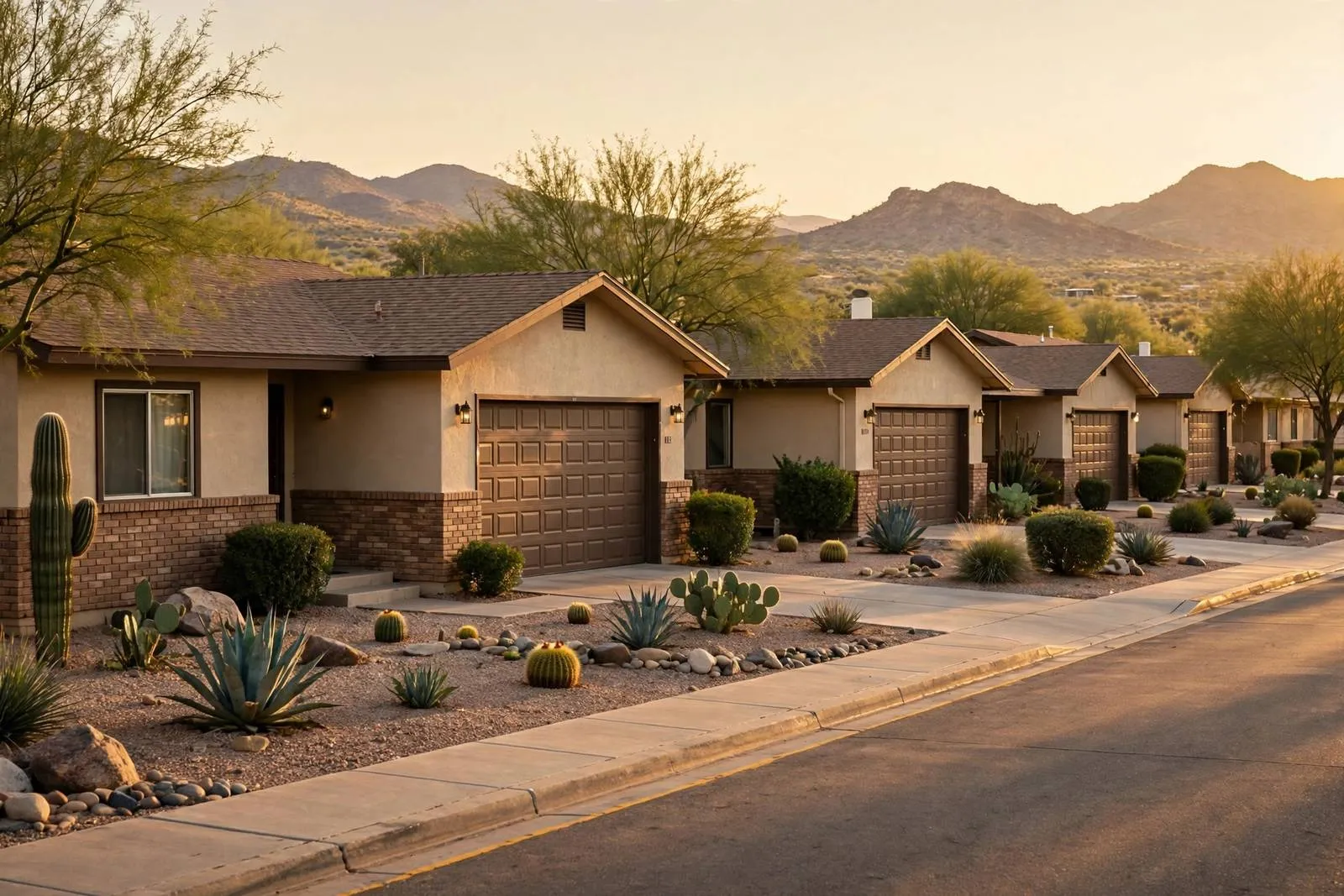
Most homes near Bell Road went up in the mid to late 1970s as Sun City grew northward, and they share a familiar blueprint: single-story living, an attached garage, and copper supply lines run beneath the slab. Kitchens and baths wear tile laid directly over concrete, which makes for easy care and hard diagnosis, because a slow leak can travel under that tile for weeks before anything looks wrong.
That buried copper now sits at peak leak age. Decades of hot water cycling through the same lines, plus slight slab movement from desert soil, leave pinholes and weeping fittings behind. Homeowners near Bell Road usually describe the same discovery: the leak hides under the kitchen or hall bath, right where the original plumbing made its tightest turns.
Attached garages shape the story here too. Water heaters, laundry hookups, and softener loops often line the garage wall, and their copper feeds run straight into the slab from there. A damp garage floor, or a heater that cycles more than it used to, can be the first sign the trouble is underneath the concrete rather than inside the appliance.
What Usually Goes Wrong in Bell Road Homes
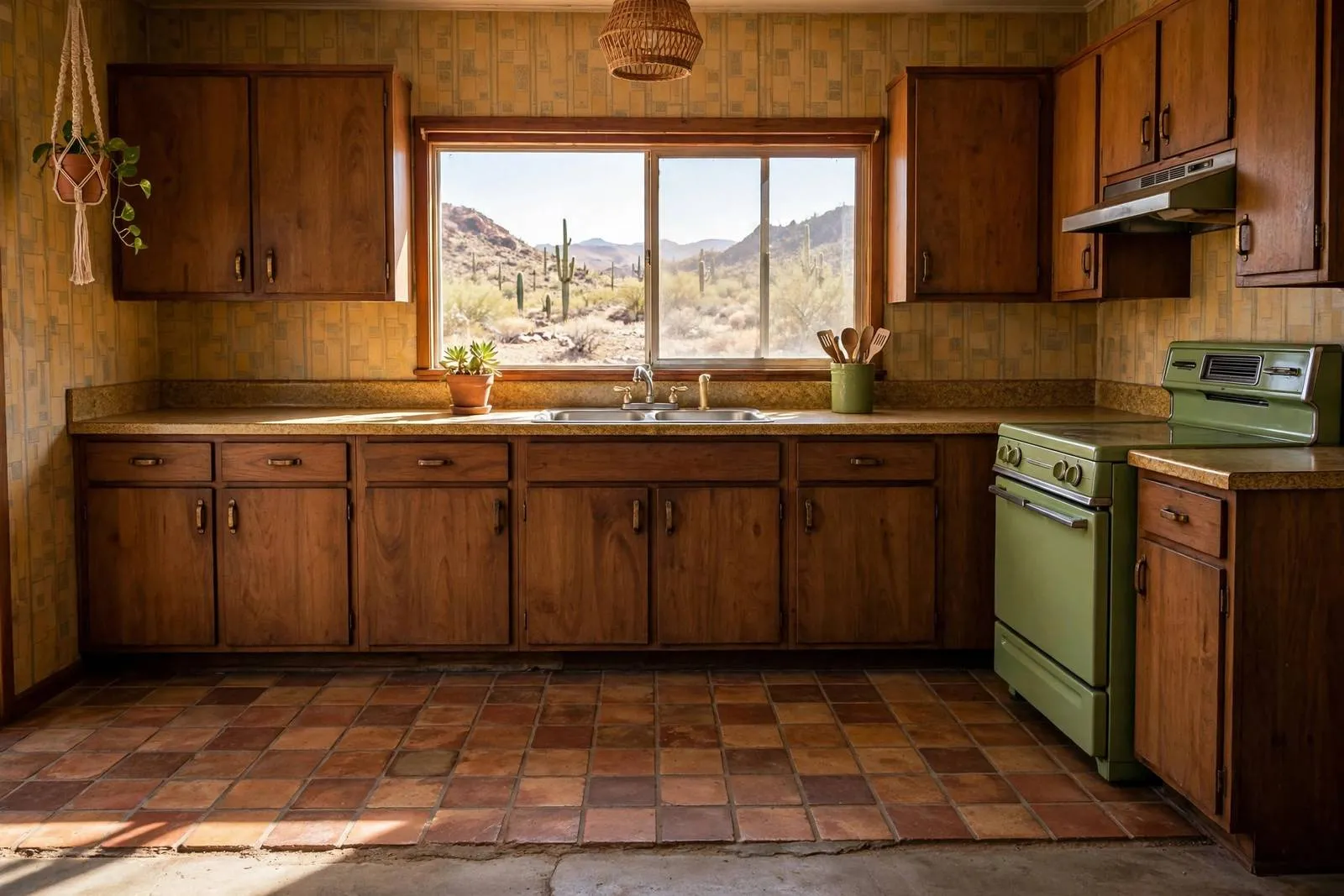
The most common failure tied to these homes is a pinhole in the hot water line under the kitchen or primary bath. Hot lines wear faster than cold ones, and the tile above them hides the warmth for a long time. By the time a homeowner feels heat through the floor, the leak may have been feeding the soil for weeks, and most Bell Road area repairs trace back to exactly this pattern.
Second on the list are failing joints where original copper meets a later remodel. Many of these houses have had a bath or kitchen updated since the 1970s, and every new connection is a joint that can weep. Our signs of a slab leak guide walks through what to watch for, but the short version is simple: trust the bill, trust the warm spot, and trust your ears when the house is quiet.
What the Technician Checks First in a Bell Road Home
The pro starts with your observations, not with tools. Where is the warm spot, and which rooms sit between it and the water heater? Has the bill climbed two months running? Those answers narrow the search to one buried line before anyone unrolls a hose, which is why slab leak repair work follows your clues first.
From there, acoustic listening and thermal imaging pinpoint the leak through tile without tearing anything up, and pressure tests on individual lines confirm which one is losing water. That is how a proper hot water slab leak diagnosis works: isolate the line, verify the loss, then choose the least invasive fix for the house.
When a Spot Fix Becomes a Reroute or Repipe
One pinhole usually means a targeted repair. Three pinholes in a few years tell a different story, and an honest pro will say so plainly. At that point many homeowners compare rerouting the line through walls or attic space against a whole-home repipe that replaces the failing under-slab plumbing outright.
Neither choice suits every house, which is why the conversation matters more than any sales pitch. Sun City Slab Leak Detectors connects you with independent local plumbing professionals who explain each option in plain terms. Neighbors reading the Boswell Boulevard Area and 99th Avenue Area pages face the same decision with the same era of plumbing, and the Sun City overview ties it all together.
How Your Call Works
- You call (602) 755-0632 and describe what you are seeing: the climbing bill, the warm tile, the phantom sound of running water, or the damp patch that will not dry.
- We connect you with an experienced local pro who answers slab leak repair calls and knows these mid-1970s slab layouts by heart.
- The independent local plumbing professional talks through your symptoms and arranges a visit for detection and diagnosis.
- You get a clear explanation of where the leak sits and which repair paths fit, then you decide how to move forward.
Nearby Areas
Homes north of here come from the same 1970s build phases. Neighbors to the south can read about Boswell Boulevard Area, 99th Avenue Area and Grand Avenue Side.
Area Questions
A standard visit handles what you can see: dripping faucets, running toilets, visible pipe leaks. When the clues point under the floor, a warm tile patch, a bill that keeps climbing, water sounds with everything off, you need detection equipment and slab experience. A slab leak plumber Bell Road area homeowners reach through us brings acoustic and thermal tools to confirm the leak before anyone talks about opening concrete.
Copper under a slab lives a hard life: constant heat, water chemistry, and slight soil movement all work on the same thin walls for decades. These homes are now at the age where pinholes cluster, especially in hot lines feeding kitchens and baths. That is why slab leak repair calls keep rising even though the houses themselves still look solid.
It is the classic sign of a hot water line leaking beneath the slab. Heat rises straight through tile, so the warm patch marks the leak's neighborhood even when the floor looks fine. Slab leak detection Bell Road area pros confirm it with a thermal camera, which shows the heat pattern without lifting a single tile.
Detection itself opens nothing. Acoustic listening and thermal imaging locate the leak through tile and concrete, and pressure testing confirms the line. Only the repair needs an access point, and a good pro keeps that opening as small as the fix allows.
Most jobs end in one of three ways: a spot repair at the leak, a reroute that abandons the bad under-slab section for a new overhead line, or a whole-home repipe when leaks keep returning. Repairs near Bell Road start with detection, and the pro recommends the smallest fix that truly solves the problem.
Yes. We connect callers across the whole northern section of the community, and the plumbing in these 1970s homes behaves the same from one area to the next. If your street sits nearer another landmark, the Boswell Boulevard Area page describes what those neighbors typically see.
Sooner beats later. Water under a slab does not stay put: it migrates, softens soil, and damages flooring and baseboards while you wait. Calling (602) 755-0632 at the first suspicious sign gives the pro the smallest possible problem to solve.
One Call Moves You Forward
A suspected leak under the slab does not improve with waiting, and it does not need a week of phone tag either. Sun City Slab Leak Detectors exists to connect you with experienced local pros who handle slab leak repair work on mid to late 1970s homes like yours. Call (602) 755-0632, describe what you are seeing, and let an independent local plumbing professional take it from there.
Call (602) 755-0632 now for slab leak help near Bell Road
Calls answered 24/7