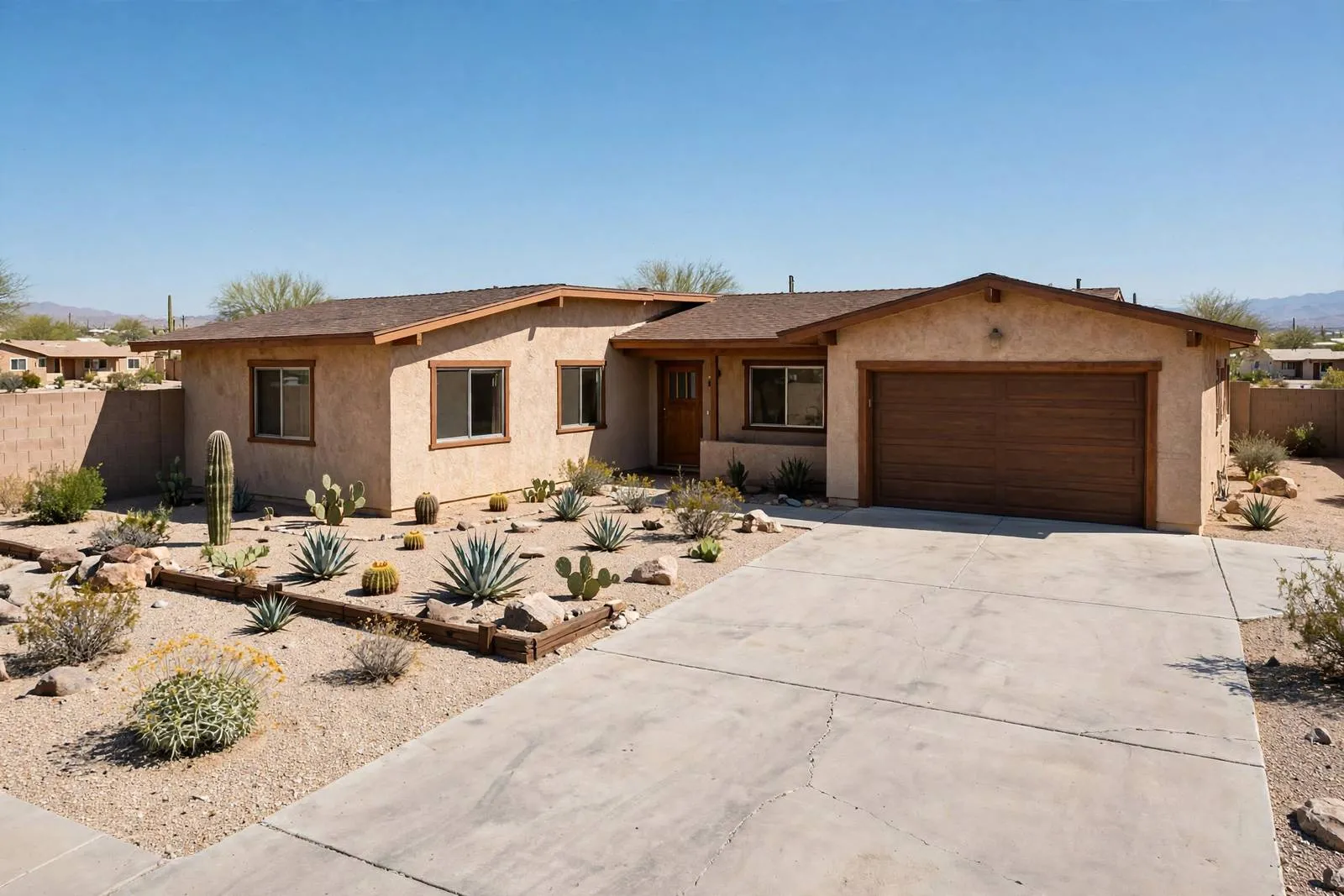
The northern part of Sun City holds the community's youngest slab homes, built in the later 1970s, yet the word youngest still means copper lines that have carried water for well over four decades. A leak here most often shows up the same quiet way: a water bill that will not settle, a warm stripe across the garage floor, or a water heater that never seems to rest. Many owners here split the year between homes, so a leak can run for months inside a quiet house, but Sun City Slab Leak Detectors connects you with experienced local pros who know these later-1970s floor plans. One call to (602) 755-0632 puts an independent local plumbing professional on your line.
Sun City's 85373 section runs north of Bell Road up to Union Hills Drive and Beardsley Road. Addresses farther north that share the 85373 ZIP code are in Peoria or unincorporated Maricopa County, and Sun City West is a separate community to the west.
Later-1970s Homes: The Newest Slabs in the Community
The later 1970s brought slightly larger floor plans and more attached garages to the northern part of the community, while the plumbing formula stayed familiar: copper supply lines run beneath the slab, with the water heater usually parked in the garage. That garage placement matters, because the hot line leaves the heater and dives straight under the concrete on its way to the kitchen and baths.
These are the newest slab plumbing systems in Sun City, which surprises owners when a leak shows up. More than four decades of daily hot water, summer heat soaking the slab, and subtle soil shifts wear the same way on newer copper as on older. When a leak does appear, the culprit is usually a pinhole in that garage-fed hot line.
Seasonal ownership adds a wrinkle unique to this end of the community. A slow leak that starts in early summer can soak the slab for months while the house sits quiet, and the owner returns in fall to swollen baseboards and a musty garage. Learning the early signs, or having the lines checked before heading out for the season, keeps a small problem from becoming a soggy surprise.
What Usually Goes Wrong in Union Hills Area Homes
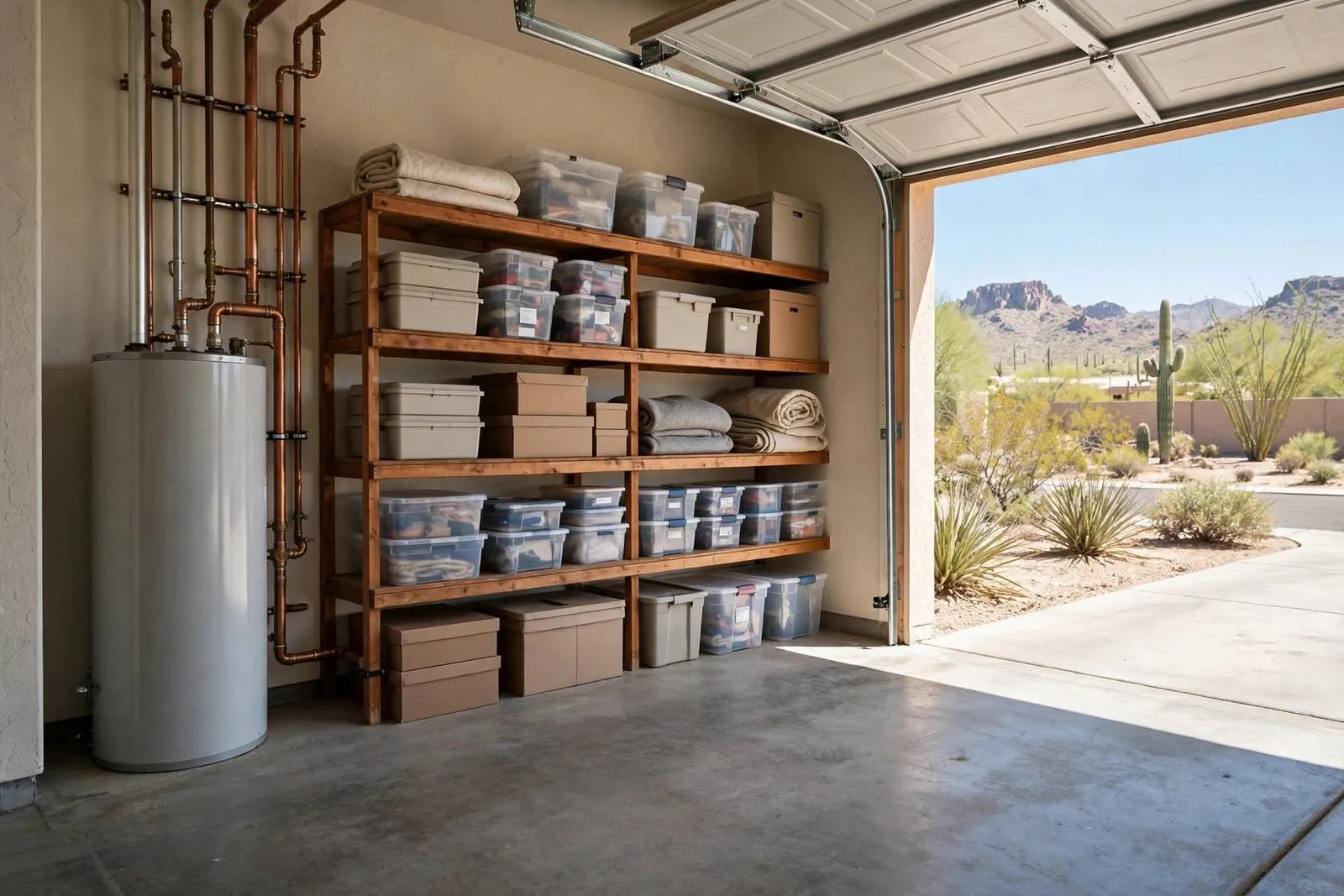
Garage water heaters feed most of the trouble in this area. The hot copper line exits the heater, drops into the slab, and runs toward the kitchen and baths, and every foot of that buried run has endured decades of expansion and contraction. The first symptom is often a heater that fires far more than it should, because it keeps reheating water that is escaping underground, the classic hot water slab leak pattern.
Vacant-season leaks are the second pattern, and they do the most damage. With nobody home to notice a climbing bill or a damp spot, a pinhole becomes a pool over the summer. Neighbors sometimes spot the clues first: moisture seeping from under a garage door or a strip of lawn that looks oddly lush along one wall. Our signs of a slab leak guide lists what to ask someone to watch for while you are away.
What the Technician Checks First in a Union Hills Area Home
The pro starts at the water heater, since so many northern-section leaks begin in the garage-fed hot line. Heater behavior, cycling frequency, and the temperature of the surrounding slab narrow the search quickly. Then acoustic equipment and thermal imaging trace the buried line's exact path without opening the floor, which keeps the diagnosis non-invasive.
If the house sat empty, the technician also looks for secondary damage: swollen baseboards, buckled vinyl, moisture wicking up drywall. Leaks found after a season away sometimes pair the pipe fix with drying the affected area, and the pro lays out both steps before any work begins.
How Your Call Works
- You call (602) 755-0632 and describe the signs: the restless water heater, the warm garage floor, the climbing bill, or what a neighbor spotted while you were away.
- We connect you with an experienced local pro who handles slab leak repair calls and knows the later-1970s garage-fed layouts.
- The independent local plumbing professional reviews your symptoms and arranges detection at the house.
- You receive a plain-language explanation of the leak and your options, then you choose the next step.
Nearby Areas
The older streets to the south have their own patterns. See Boswell Boulevard Area for the original-era homes, 99th Avenue Area for the eastern edge, and Grand Avenue Side along the southern boundary.
Area Questions
The homes are a few years newer, the water heaters usually sit in the garage, and more owners are seasonal, so leaks here skew toward garage-fed hot lines and long-undetected summer leaks. The repair methods are the same, but the detective work starts at the heater and accounts for vacancy. Slab leak repair pros know to ask when the house was last occupied.
It is one of the strongest clues. A heater that fires far more than normal is often reheating water lost through a pinhole in the buried hot line. Check for a warm patch on the garage or nearby floor, then call (602) 755-0632 so a pro can confirm with detection equipment.
Give a trusted neighbor a short checklist: water seeping from under the garage door, an unusually lush strip of lawn along one wall, a musty smell near the garage, or warmth on the floor by the water heater. Many slab leak repair calls start with exactly this kind of neighbor tip, and catching it in July beats discovering it in October.
Acoustic listening gear picks up the hiss of escaping water through concrete, thermal cameras map heat from a leaking hot line, and pressure tests isolate which line is losing water. Together they pinpoint the leak within a small area, so any opening for the repair stays minimal.
Only a small access area, and only if a spot repair is the right fix. A reroute avoids the slab entirely by running the new line through walls or attic space, leaving floors untouched. The pro recommends the approach that solves the leak with the least disruption to your home.
Very. When the buried copper has leaked more than once, abandoning that section for a new overhead line often makes more sense than opening the slab again, which is why many homeowners weigh a reroute. The Boswell Boulevard Area page describes the same trade-off, since the same era of plumbing runs under both areas.
Call (602) 755-0632. Sun City Slab Leak Detectors connects you with experienced local pros, and an independent local plumbing professional will talk through your symptoms and arrange detection. One call is all it takes to move from wondering to knowing.
One Call Starts the Fix
Even the newest slab plumbing in Sun City is decades old now, and a leak under the concrete only grows while it waits. Sun City Slab Leak Detectors connects you with experienced local pros who know these homes, from garage-fed hot lines to leaks found after a summer away. Call (602) 755-0632, tell us what you have noticed, and an independent local plumbing professional will guide the next step.
Calls answered 24/7